Flying Costa Rica since 1978.
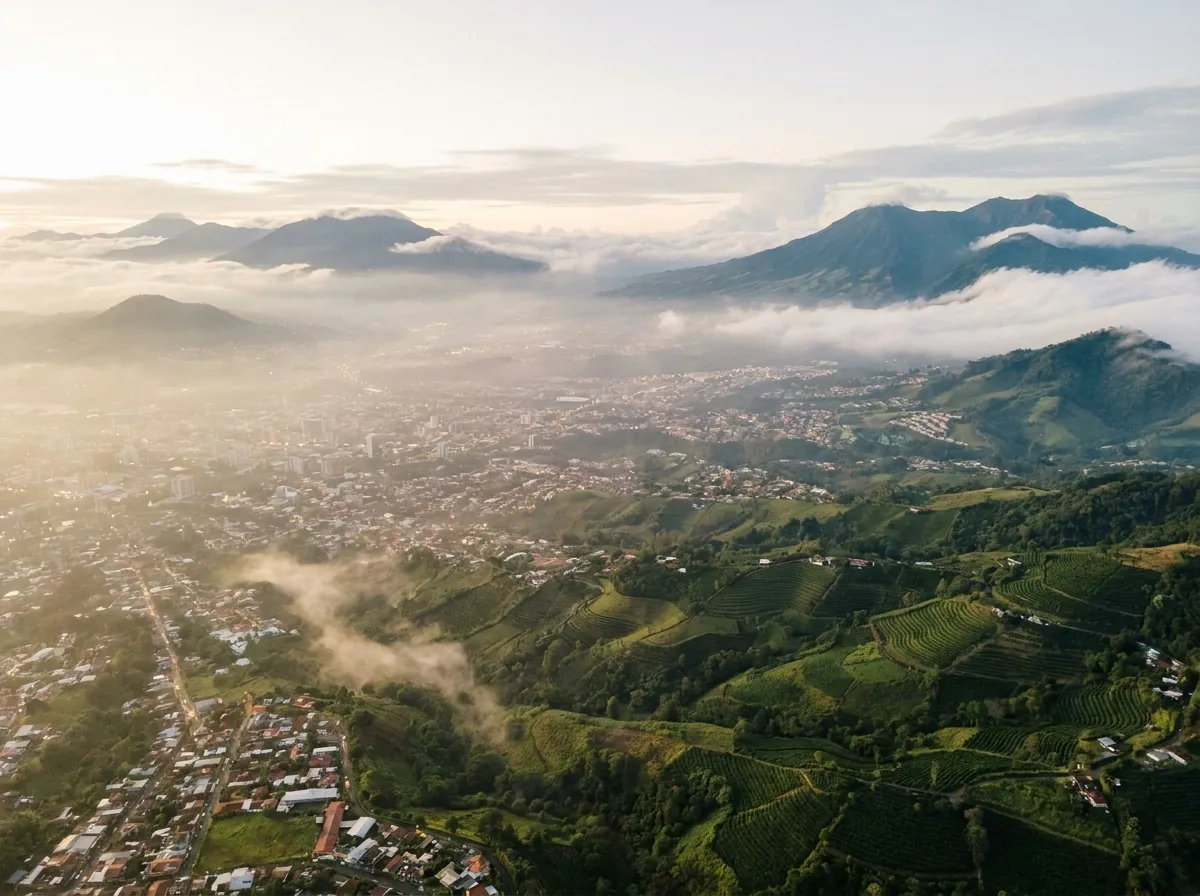
We were built on a simple idea: connect San José to the whole country by air — so the beaches, jungles and volcanoes that once took a full day's drive are a short, unforgettable flight away.
We were built on a simple idea: connect San José to the whole country by air — so the beaches, jungles and volcanoes that once took a full day's drive are a short, unforgettable flight away.
SANSA was founded in 1978, in a Costa Rica where much of the country's most beautiful coastline was still a hard day's drive away — over unpaved roads, across rivers without bridges, into corners of the map that maps barely reached.
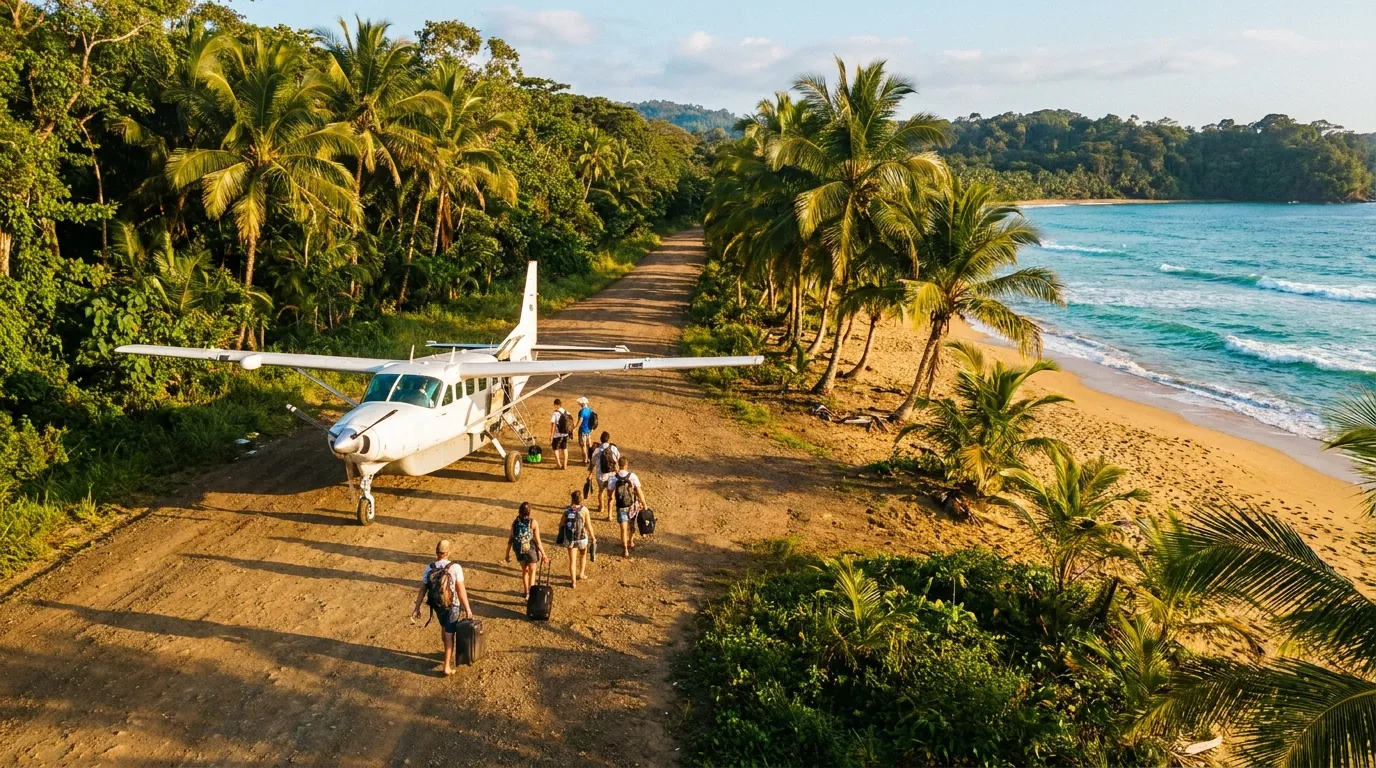
Small turboprops changed that. A flight that lasted twenty or forty minutes could reach a beach with no road to it, a rainforest lodge accessible only by river, a fishing town at the end of the country. What began as a handful of routes grew, decade by decade, into a domestic network radiating from our hub at Juan Santamaría in San José.
Today we connect the capital to thirteen destinations across both coasts and the northern plains — but the founding idea hasn't changed. We fly the routes that make the wild parts of this country reachable.
Three commitments have guided SANSA since the first flight — and they still decide how we build every route and fill every seat.
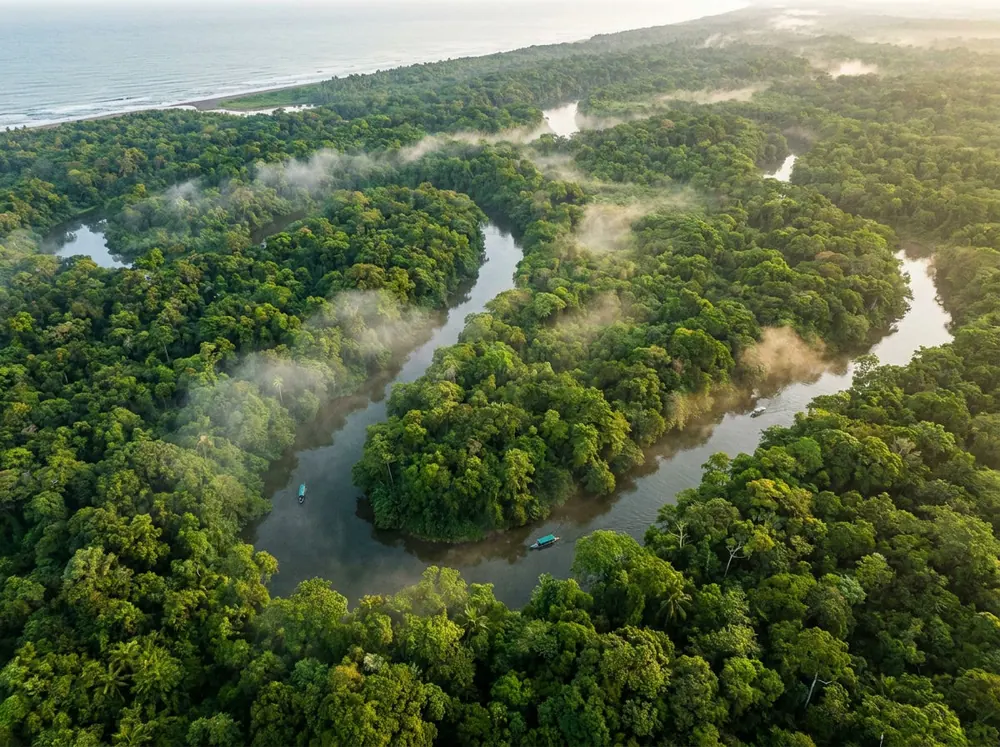
We fly to the places that are hardest to drive to — Drake Bay, Tortuguero, the Osa Peninsula — because those are the places most worth reaching. If a flight can save you six hours over rough road, that's a route we want.
Our aircraft carry just twelve, with high wings and glass on both sides. No middle seats, no jet bridges — only volcanoes, reefs and rainforest scrolling past. The view isn't a perk; it's half the trip.
We fly over the places Costa Rica works hard to protect. Efficient turboprops, right-sized aircraft and thoughtful scheduling are how we keep the footprint of that access as light as we can — a commitment we hold ourselves to route by route.
A quarter of Costa Rica is protected land — and much of it is what our passengers come to see. We take the responsibility of flying over it seriously, and we're honest that aviation always carries a cost. Our aim is to make that cost as small as the trip allows.
Right-sizing matters: a twelve-seat turboprop on a full 40-minute hop is a far lighter way to reach the coast than a dozen cars idling for six hours on the highway. Efficient PT6A engines, short direct routings and full flights are the levers we pull first.
Flying tropical airstrips, coastal weather and mountain passes demands discipline. Safety isn't a department at SANSA — it's the standard every flight is measured against.
Every aircraft follows a scheduled inspection program built around the demands of tropical, short-strip flying. Nothing takes off until it clears the checklist — full stop.
Our captains train specifically for Costa Rica's terrain — narrow coastal strips, quick-changing weather and mountain approaches — with recurrent checks that keep those skills sharp.
In the tropics, weather wins. We'd rather delay or reroute a flight than push it — and our crews have the authority to make that call without a second thought. A late flight is always better than a forced one.
A short flight to a roadless coast depends on a lot of people doing quiet, careful work. These are the roles that get you there and back — pura vida.
Costa Rican aviators who know these coasts, ridges and rivers by heart — and treat every twenty-minute hop with the same care as the last.
The teams at SJO and every remote airstrip who load bags, fuel aircraft and turn a flight around fast — often on a strip beside the sea.
The bilingual voices who help you piece together a multi-stop trip, rebook around weather and answer the phone when plans change.
The engineers and technicians who keep our Grand Caravans airworthy — the ones who sign off before anyone else even boards.
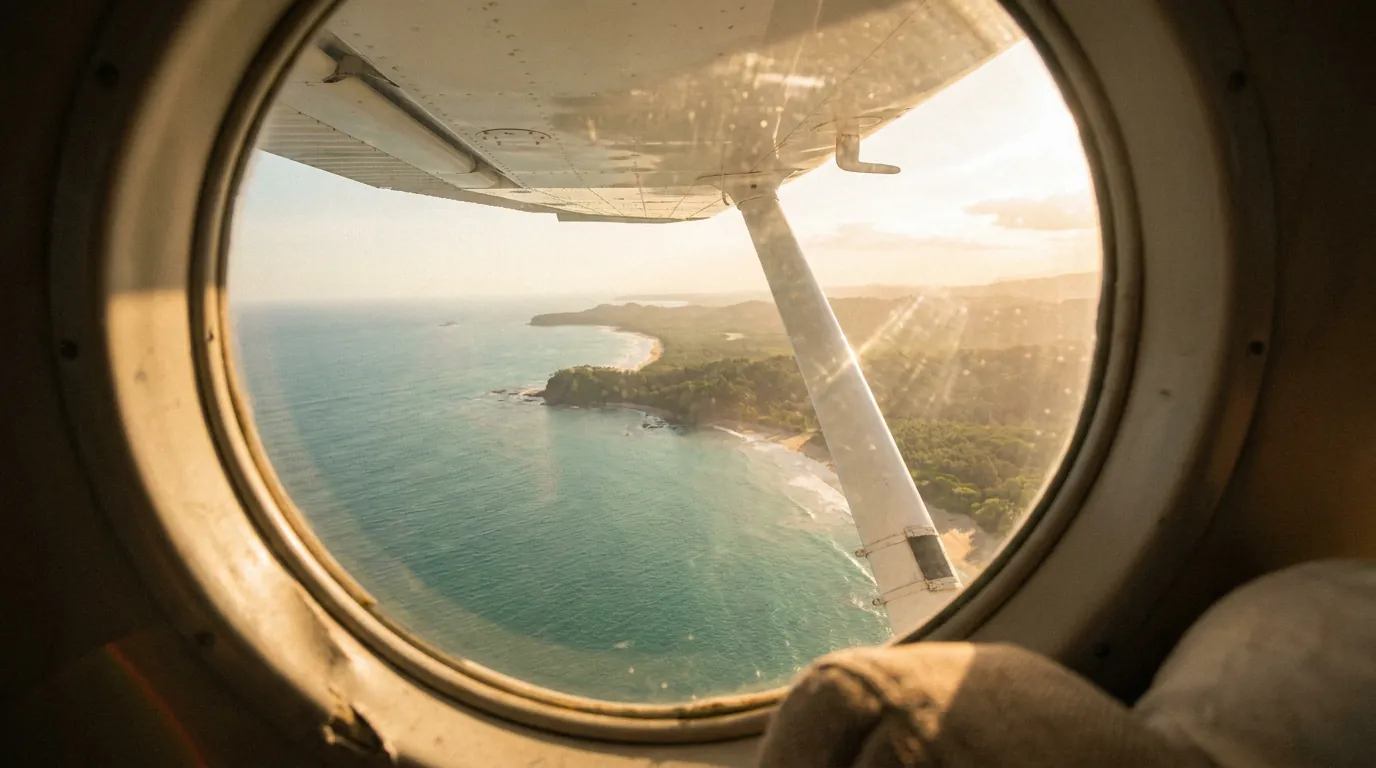
“For decades, the little planes have been how Costa Rica reaches its own best places — the coast in twenty minutes, the rainforest in forty.”
— Costa Rica travel press
See where SANSA can take you — from the surf of Guanacaste to the wild edge of the Osa Peninsula.