Safety is the whole point.
Flying a small aircraft over volcanoes, cloud forest and jungle airstrips is one of the most rewarding ways to see Costa Rica — and it only works when discipline comes before everything. Here is how we protect every seat.
Flying a small aircraft over volcanoes, cloud forest and jungle airstrips is one of the most rewarding ways to see Costa Rica — and it only works when discipline comes before everything. Here is how we protect every seat.
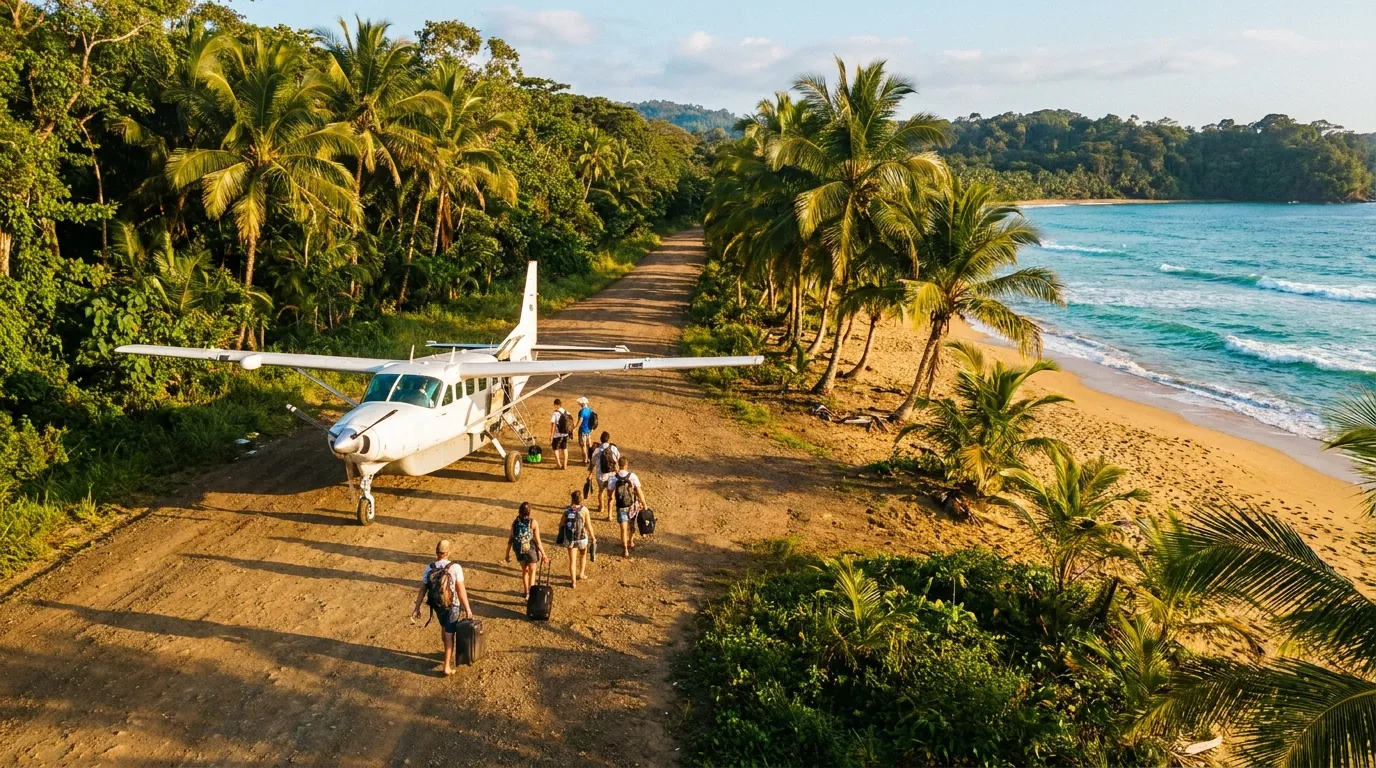
Costa Rica is a country of mountains that make their own weather, of airstrips carved into the trees, of coasts reached only from the air. That geography is exactly why our routes are so beautiful — and exactly why every flight is planned conservatively, flown by seasoned crews, and cancelled without hesitation the moment conditions aren't right.
We would rather delay you on the ground than push a marginal flight. Every person on board — including our own crew — is going home tonight. That is the standard, on every leg, every day.
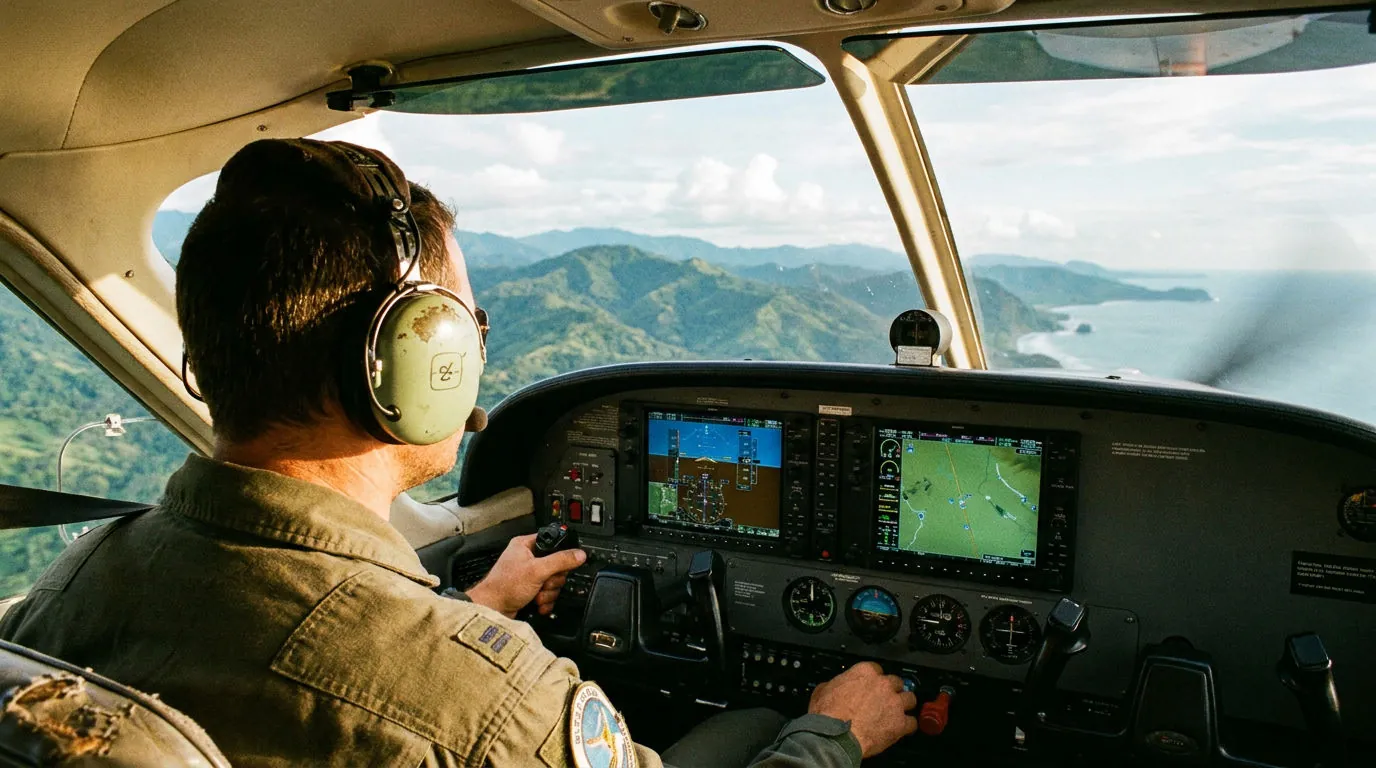
Mountain flying to short airstrips is a specialty, not a routine. Our captains train for it, are current on it, and fly it hundreds of times a year.
Our commanders hold professional licences and log substantial hours before they ever fly a full cabin over the mountains. Turboprop time and terrain experience are prerequisites, not perks.
Skills fade without practice, so ours don't get the chance to. Crews return for recurrent checks, emergency-procedure drills and proficiency reviews on a regular cycle — long before any requirement lapses.
From the winds that funnel through the Talamanca range to the sea breeze at Tamarindo and the tight approach into Drake Bay, our pilots know each destination's character — the good-weather windows, the tricky ones, and the safe way in.
The Cessna 208B Grand Caravan is the workhorse of tropical aviation for a reason — rugged, single-engine simplicity built to operate from short, rough strips. We keep ours to a structured maintenance program: scheduled inspections at defined intervals, tracked components, and nothing flying that isn't signed off.
Our aircraft fly under visual flight rules in daylight over the mountains. That means the sky itself is part of the plan — and the decision to go is made fresh, every single flight.
Clear visibility along the route, ceilings that keep terrain comfortably in sight, winds within limits for the destination strip, and a daylight window with margin to spare. If the forecast and the sky agree, we fly.
Low cloud over the passes, heavy rain squalls, gusty crosswinds at a short strip, or fading daylight. When any of these show up we delay, re-route or cancel — and we would rather do that than test a margin. It's the least glamorous decision in aviation, and the most important.
Domestic aviation in Costa Rica is regulated by the national civil aviation authority — the Dirección General de Aviación Civil (DGAC), part of Aviación Civil. Certification, operating standards, crew licensing and maintenance oversight all fall under that framework, and it aligns with the international best practices set by ICAO.
Beyond meeting the rules, we hold ourselves to our own operating discipline: conservative margins, thorough documentation and a culture where anyone — pilot, mechanic or dispatcher — can stop a flight.
Small aircraft are precise machines, and a few things we ask of passengers are what keep them precise. None of it takes long — all of it matters.
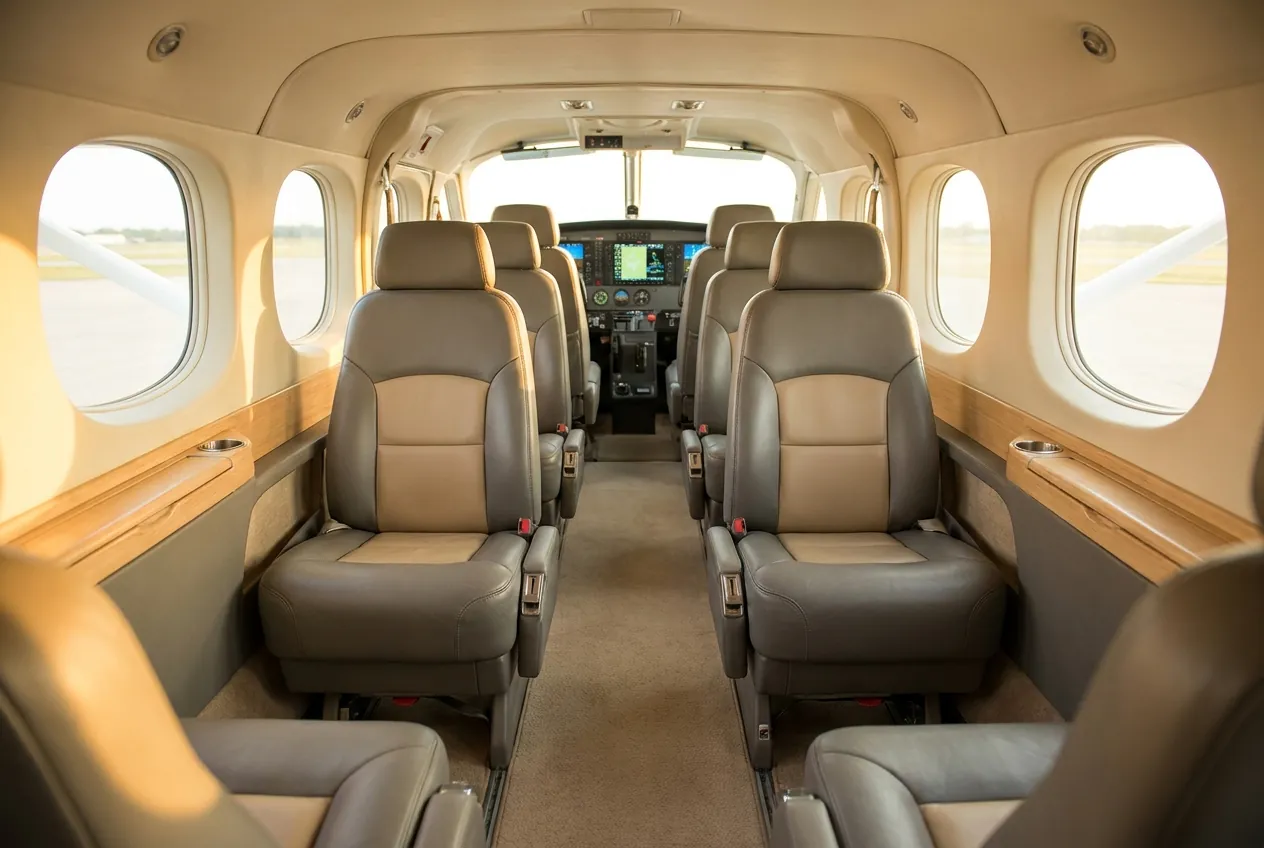
On a 12-seat aircraft, weight and balance isn't paperwork — it's physics. We ask for the accurate weight of every passenger and bag so the captain can load the cabin correctly and keep the aircraft within its centre-of-gravity limits. Please answer honestly; it's one of the most important numbers of the day.
Before every departure your crew walks you through seatbelts, exits, and what to do in the unlikely event you need it. It only takes a minute — give it your attention, and ask if anything isn't clear.
Every bag is weighed, tagged and stowed in the aircraft's cargo areas so nothing shifts in flight. Carry-on is limited to one small personal item; please pack liquids and restricted items per the guidance we send with your booking.
Every SANSA flight is planned, flown and maintained to the standard this terrain demands — so all that's left for you is the view.